

How to Dry Your Car: 5 Myths That Leave Water Spots on Your Paint
Daniel von Detailing1 |


YETI Rambler® "Straw Bottle" insulated bottle with straw cap - 18oz (532 ml) / White is on backorder. As soon as everything in your order is back in stock, we ship it all in one go — delivery time follows whichever item takes longest.
Item added to your cart.
View cart


Do you have any questions or need help?
We are sure that our help page will help you. There you will find information on how to contact us and the relevant answers to frequently asked questions.
Didn't find what you were looking for? Write us a message in the chat.
Shipping to Austria from 6,90 € with Österreichischer Post, DPD or FedEx, delivery time 1-4 days. Orders from 179 € ship free with DPD.
All shipping methods, weight tiers and express options are listed in our shipping policy.
Car Care Store in Nordhorn
Why wait when you can get it fast? Order your car care products from us online and choose between convenient pickup or our lightning-fast delivery, whether locally or throughout Europe. We are dedicated to offering you maximum flexibility and convenience so your car always stays in top condition.
You can always pick up your order from Tuesday to Friday, 10:00 to 17:00, at Bosinks Kamp 8 in 48531 Nordhorn at Detailing1. Please have your pickup confirmation ready. We look forward to your visit.
Couldn't load pickup availability

What is the YETI Rambler Straw Bottle? An insulated bottle in 18/8 stainless steel with double-wall vacuum insulation and a colour-matched straw cap that counts as leakproof while closed. Not for hot or carbonated drinks, not for anything with pulp, not for storing food, and not for tossing loose into a bag.
YETI Rambler Straw Bottle is a vacuum-insulated bottle in 18/8 stainless steel from YETI with a straw built into the cap. You flip the mouthpiece up with your thumb and drink — the cap stays on the bottle, the straw reaches the bottom. Between the inner and outer wall sits a space pumped free of air. Where there is no air, hardly any heat gets through: the drink stays cold inside, the wall stays dry outside.
Detailing1's tip from the shop: What we see day-to-day is that the most common mistake happens after the dishwasher, not while drinking. There are two gaskets in the cap and exactly one of them comes out: the big round one at the rim. It has a flat side and a domed side, and it goes back flat side to the cap — put it in the wrong way round and it sits crooked, and the bottle drips at the mouthpiece. That is what then gets reported as a manufacturing fault. The second, much smaller gasket at the pressure relief valve stays put; YETI says outright that it is not removed for cleaning. Rule of thumb: two gaskets, one comes out.
The straw cap takes the unscrewing off your hands. Flip the mouthpiece, drink, flip it shut — one-handed, with no loose cap rolling around the centre console.
That is the difference between a bottle you carry and a bottle you actually use. On the drive to a meet, stuck in traffic outside the gate, in the paddock between two runs: if you have to put things down, hold the bottle and twist a cap off first, you skip the drink. The thumb move works with gloves on and without looking.
For long days fill it to the top and add ice. A full bottle holds less warm air inside, and ice buffers the temperature instead of just cooling. One owner of the 18 oz says he filled it with ice and water in the morning and kept topping it up all day at about 32 °C outside — on the same ice.
In an independent test of the 26 oz, iced water was still ice cold after more than ten hours in a hot car. What you put in decides how much cleaning you are in for: with plain water the normal routine is fine, with squash or sports drink you are better off rinsing the same evening. Otherwise a biofilm settles in the drinking channel and you go hunting for it later with a brush.
A straw cap is thermally weaker than a screw cap. The drinking channel, the flip mechanism and the pressure relief valve are functional openings, and every opening is a thermal bridge. For you that means a few degrees more after several hours.
The body still does its job. In a comparison of eight insulated bottles the Rambler came first after twelve hours and was still better than the test average after 24 — measured with the closed screw cap, though, not the straw. If you need maximum cold across a full day, go for the screw cap; the caps in the Rambler line swap between each other and fit the same bottle.
There are four things this bottle cannot do. No hot drinks: YETI puts the ceiling for the straw cap at 49 °C. Hot liquid expands, and a straw feeds it straight into your mouth without you being able to check the temperature the way you would from an open cup. No carbonation: escaping CO₂ builds pressure the valve and drinking channel were never designed for — the cap then either sticks or pops off when you open it.
Nothing with pulp and no storing food: fibres clog the straw and hang up in the valve. Not pack-safe: the cap is tight while closed. The flip lid can still open when it gets knocked about, so in a travel bag the bottle goes upright rather than buried in your clothes.
Then there is the weight. Empty, the 18 oz weighs 510 g and the 26 oz 560 g — about three times an uninsulated plastic bottle of the same size. For a rucksack on a long day out that is a real argument against it. In the car, where the bottle stands rather than gets carried, it is no argument at all.
The size question comes down to one number: the diameter. The 18 oz measures 76 mm across, the 26 oz 86 mm.
Car cup holders usually run between 64 and 89 mm, with a common sweet spot around 80 mm. So the 18 oz drops into most holders and the 26 oz into very few — YETI itself points out that Rambler bottles can be too big for many cup holders, and in a test of 17 bottles that was the main gripe about the 26 oz. Neither fits a bike cage: the standard there is about 73 mm.
That gives you a simple rule. If the bottle is going to sit next to you — cabin, drive out, commute, downtime at the track — take the 18 oz at 532 ml. If it lives in the boot, on the folding table by the open tailgate or in the cool box, take the 26 oz at 769 ml.
Run both and one size covers driver and passenger while the other covers the day. How long the ice lasts comes down less to the bottle than to where it stands: in the shade or next to a flat ice pack in a box it holds many times longer than on the parcel shelf in the sun. The other sizes and cap options sit in the YETI category.
Coffee before first light is where this bottle stops being the answer. Hot does not belong in a straw cap — that is what the insulated cups in the same line are for, like the stackable insulated tumbler. The bottle is the cold half of the day, the cup is the warm one.
One last thing nobody thinks about when buying: if you later move the straw cap onto a different Rambler bottle, the straw has to be cut down. YETI gives fixed lengths — 16.8 cm for the 18 oz, 18.4 cm for the 26 oz. Too long and the straw hits the bottom and kinks, too short and it leaves a slug of liquid you cannot reach. Get the cap swapped and the straw cut right first time and you have understood the YETI Rambler.
Not sure about YETI Rambler® "Straw Bottle" insulated bottle with straw cap? Get it explained:
A double-wall vacuum insulated bottle in 18/8 stainless steel with a colour-matched straw cap. The straw sits fixed in the cap and reaches the bottom, and you flip the mouthpiece up with your thumb. It comes in 532 ml and 769 ml, with the TripleHaul handle for carrying and clipping.
Flip the mouthpiece open, pull the straw, take out the round cap gasket. Straw and gasket go in the cutlery basket, the cap goes on the top rack of the dishwasher with the mouthpiece open. The small gasket at the pressure relief valve stays in. Once a week run a long soft brush through the straw as well.
Stainless steel insulates, picks up no taste and lasts years; plastic is lighter. The 18 oz weighs 510 g empty and the 26 oz 560 g — about three times an uninsulated plastic bottle. For a rucksack on a long day that argues against steel, in the car it makes no difference.
The 18 oz measures 76 mm across and drops into most car cup holders, which usually run between 64 and 89 mm. The 26 oz measures 86 mm and falls out of many of them. Neither fits a bike cage — the standard there is about 73 mm.
No, neither. YETI puts the ceiling for the straw cap at 49 °C; hot liquid expands and a straw feeds it straight into your mouth. Carbonation builds pressure the valve and drinking channel were never designed for — the cap can pop off when you open it.
If the bottle is going to sit next to you in the car, take the 18 oz at 532 ml: it fits the cup holder. For the boot, the folding table or the cool box take the 26 oz at 769 ml. Both use the same caps; when you swap, the straw has to be cut down to 16.8 cm or 18.4 cm.
This bottle is built for cold drinks. Water, squash, cold drinks and iced tea go in; hot drinks do not, because YETI puts the ceiling for the straw cap at 49 °C. Carbonated drinks build pressure the valve and drinking channel were never designed for. Anything with pulp clogs the straw.
For long days fill it to the top and add ice. A full bottle holds less warm air inside, and ice buffers the temperature instead of just cooling. To drink, flip the mouthpiece up with your thumb — the cap stays on the bottle. Closed, the cap is tight; in luggage the bottle still travels better upright, because the flip lid can open when it gets knocked about.
After use, take the cap apart: flip the mouthpiece open, pull the straw, take out the round cap gasket. Straw and gasket go in the cutlery basket, the cap goes on the top rack with the mouthpiece open. The much smaller gasket at the pressure relief valve stays in — it is not meant to come out.
Once a week run a long soft brush through the straw with warm water and mild washing-up liquid. With plain water the normal routine is fine; with squash, sports drink or anything sweetened you are better off rinsing the same evening, or a biofilm settles in the drinking channel. A spare straw cap and the other cap options sit in the YETI category.
Notes: The cap gasket has a flat side and a domed side and goes back flat side to the cap — in the wrong way round it sits crooked and the bottle drips at the mouthpiece. If you move the cap onto a different Rambler bottle, the straw has to be cut down: 16.8 cm for the 18 oz, 18.4 cm for the 26 oz. No scouring pads, no steel wool and no chlorine-based cleaners — they attack the DuraCoat powder coat. Not on the hob, not in the microwave, not in the freezer. Between uses let every part dry fully and store the bottle with the cap off. YETI gives five years on Rambler drinkware; everyday scratches and dents are not covered.
Contact
YETI UK Limited
Office 111389, PO Box 6945, London, W1A 6US, United Kingdom
+18332259384
customerserviceeurope@yeti.com
yeti.com
Choose from many payment methods such as PayPal, eps, Klarna, Apple Pay, Mastercard or Visa and benefit from pay later and instalment options. Your payment details are always processed securely. Questions about payment?
Your order reaches you from 6,90 € in 1-4 days with Österreichischer Post, DPD or FedEx. Orders from 179 € ship free with DPD. Questions about shipping?


YETI
LoadOut® Bucket / 19 Litre Bucket
Extremely robust 19 litre bucket, ideal for car care.
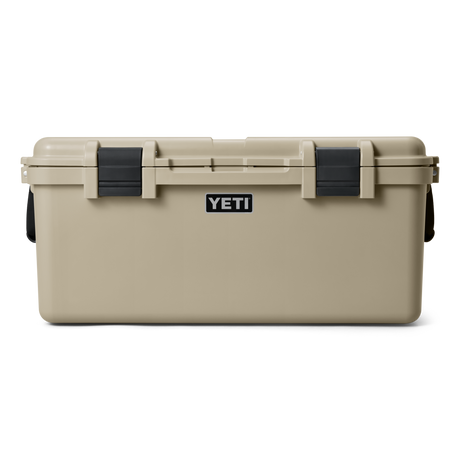
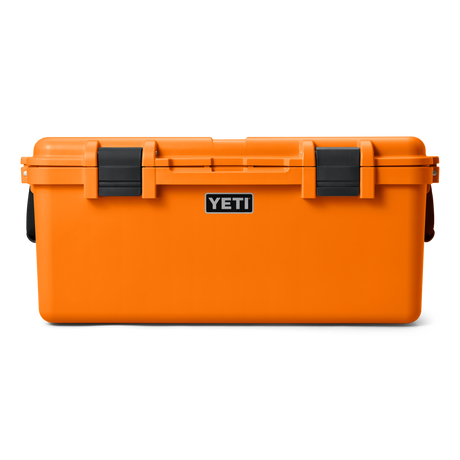

YETI
LoadOut® GoBox 60 Gear Case (large)
Ultimate storage solution for car care hardware
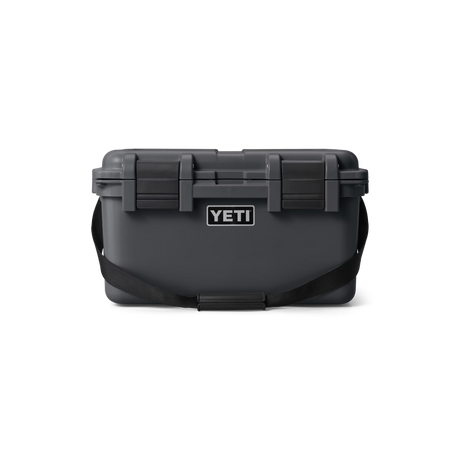
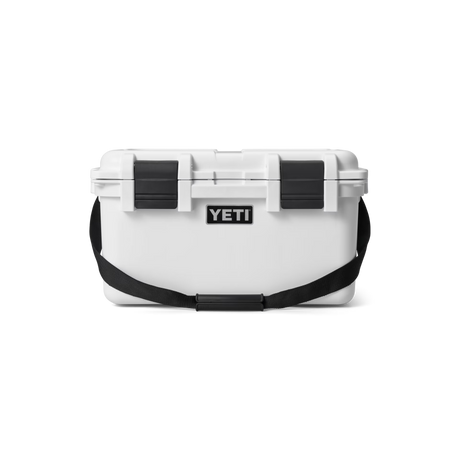
YETI
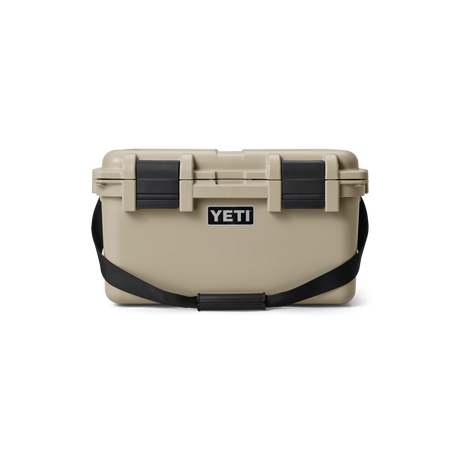
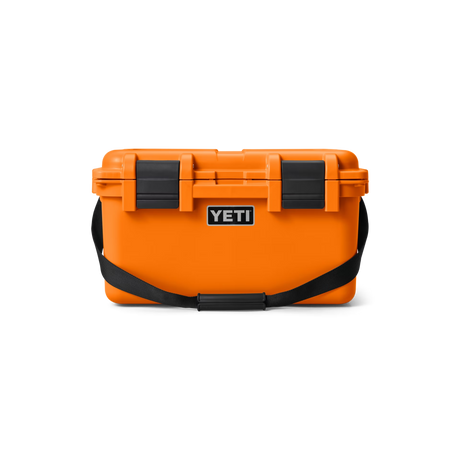
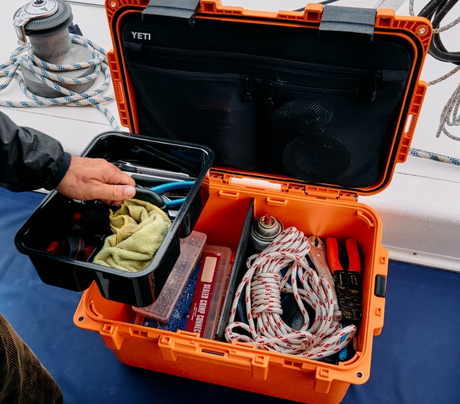
LoadOut® GoBox 30 2.0 Gear Case with Carry Strap
Robust and versatile equipment box for optimal organization

YETI
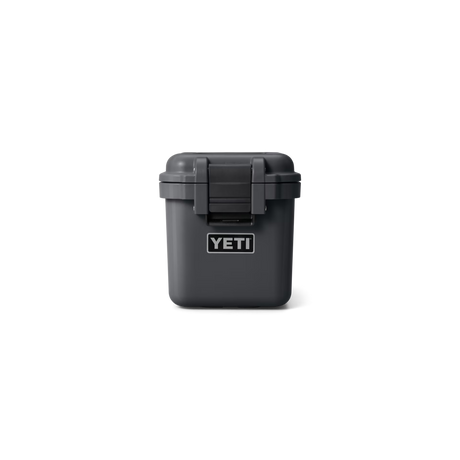
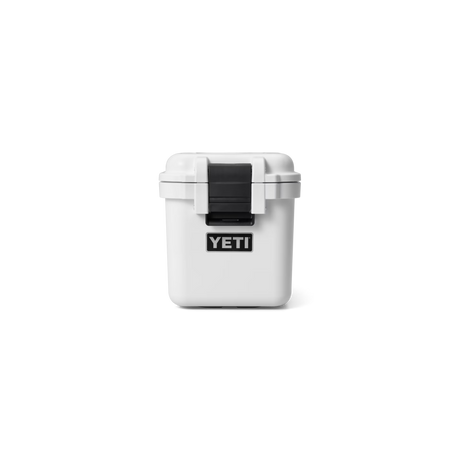
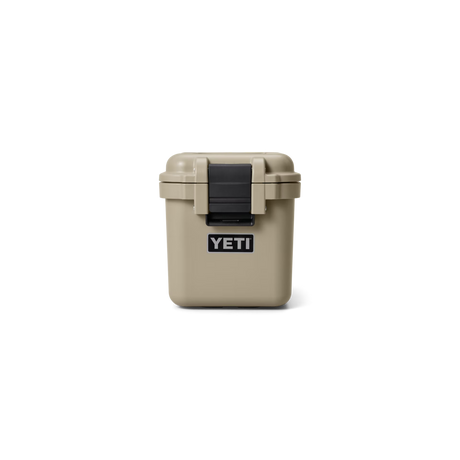
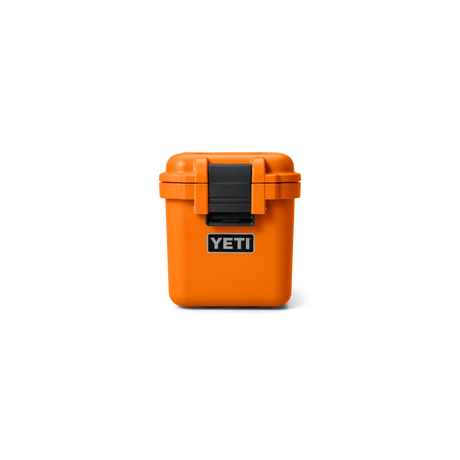
YETI LoadOut® GoBox 15 Gear Case (small)
Robust, versatile storage solution for adventure


YETI
Bucket Swivel Seat / lid seat for the "LoadOut® Bucket"
Versatile Seat Lid with 360-Degree Rotation for Easy Car Care


YETI
Bucket Caddy / insert for the "LoadOut® bucket"
Organize your car care with the robust insert
YETI
"Thin Ice" IcePack Cooler Pack (Flat)
Space-saving flat ice pack for optimal cooling


YETI
Bucket Lid / Lid for the "LoadOut® Bucket"
Practical, robust and weatherproof lid for your YETI bucket


YETI
Bucket Utility Gear Belt / belt pouch for the "LoadOut® Bucket"
Perfect organization for your wash bucket
YETI
Compact and robust ice pack for lasting cold


YETI
Rambler® "Lowball" Insulated tumbler with Magslider™ lid (stackable)
Robust Insulated Mug for Hot and Cold Drinks


YETI
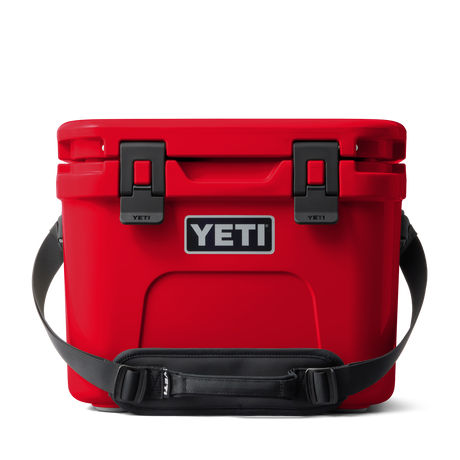
Roadie® 15 Hard Cooler cool box with shoulder strap (small)
Compact and robust cool box with excellent insulation
Daniel von Detailing1 |

Daniel von Detailing1 |

Jasper von Detailing1 |

Daniel von Detailing1 |

Daniel von Detailing1 |

Jasper von Detailing1 |

Daniel von Detailing1 |

Daniel von Detailing1 |

Daniel von Detailing1 |

Daniel von Detailing1 |

Daniel von Detailing1 |

Daniel von Detailing1 |